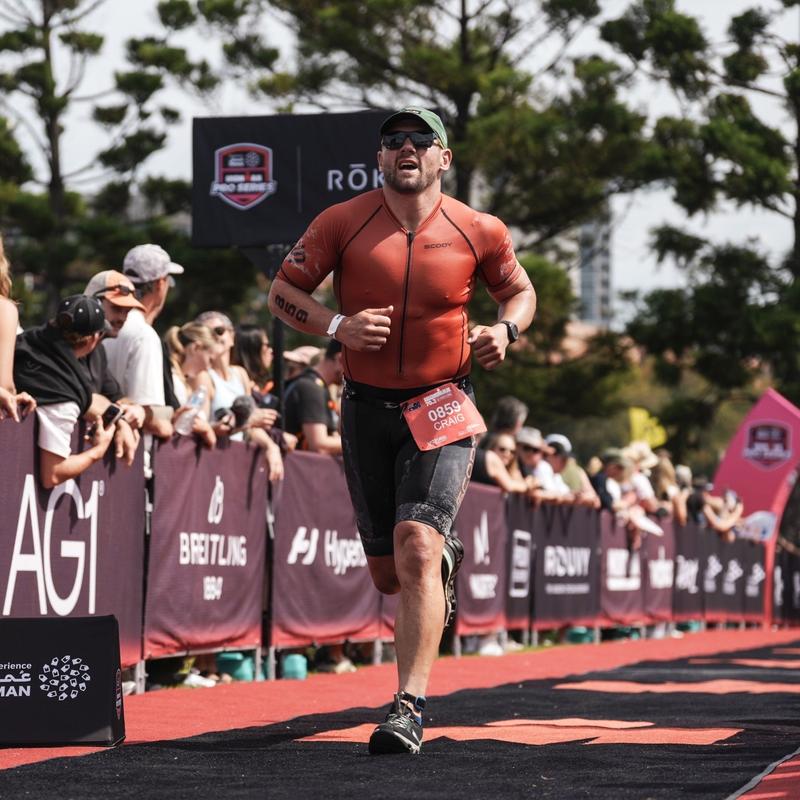
Triathlete racing in Australia

Triathlon Coaching

Helping Amateur Triathletes Stop Plateauing and Start Improving Again.

If you don't grow your power or pace duration curve in the first 12 weeks, I'll keep working with you for free until you do.

Trusted by 400+ athletes

Click any card to learn more

22-Minute 70.3 Improvement in 6 Months AND World Championship Qualified

Rachael Traplin Tap to expand
Rachael Traplin

22-Minute 70.3 Improvement in 6 Months AND World Championship Qualified

Rachael Traplin

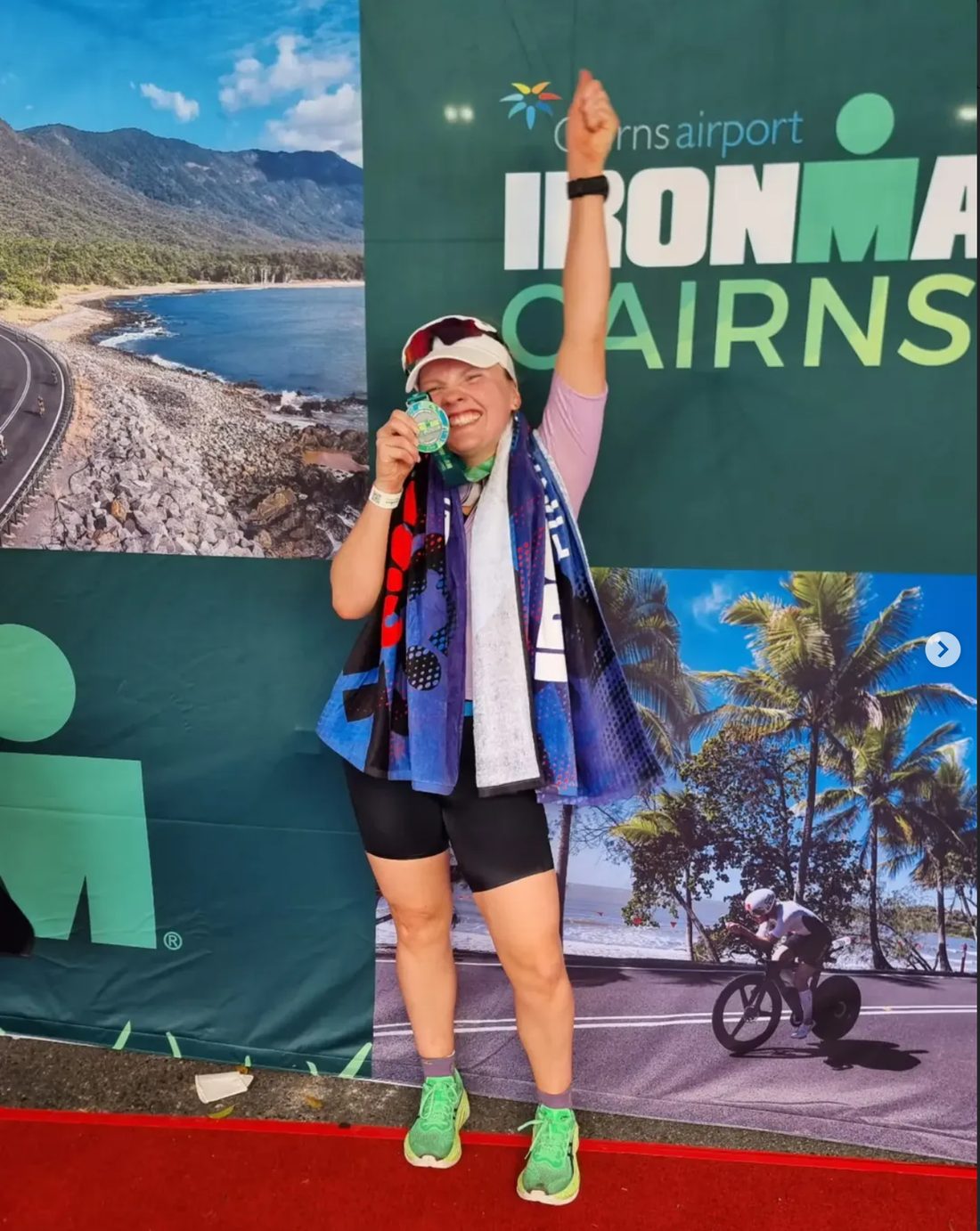
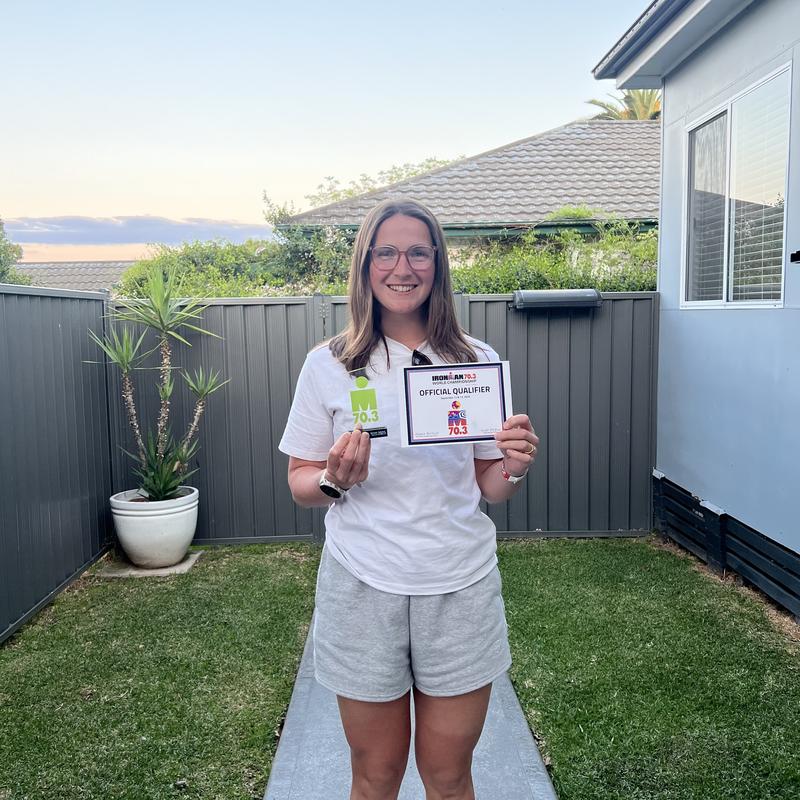
Rachael took 22 minutes off her 70.3 time in just 6 months, highlighted by a 15-minute run improvement and nearly 3 minutes saved in transitions. She rose from 14th to 3rd in her age group and qualified for the IRONMAN 70.3 World Championships, a huge milestone that reflects her rapid rise through the field.

First Ironman, First Podium and Ironman World Championship Qualifier

Lachlan Walker Tap to expand
Lachlan Walker

First Ironman, First Podium and Ironman World Championship Qualifier

Lachlan Walker

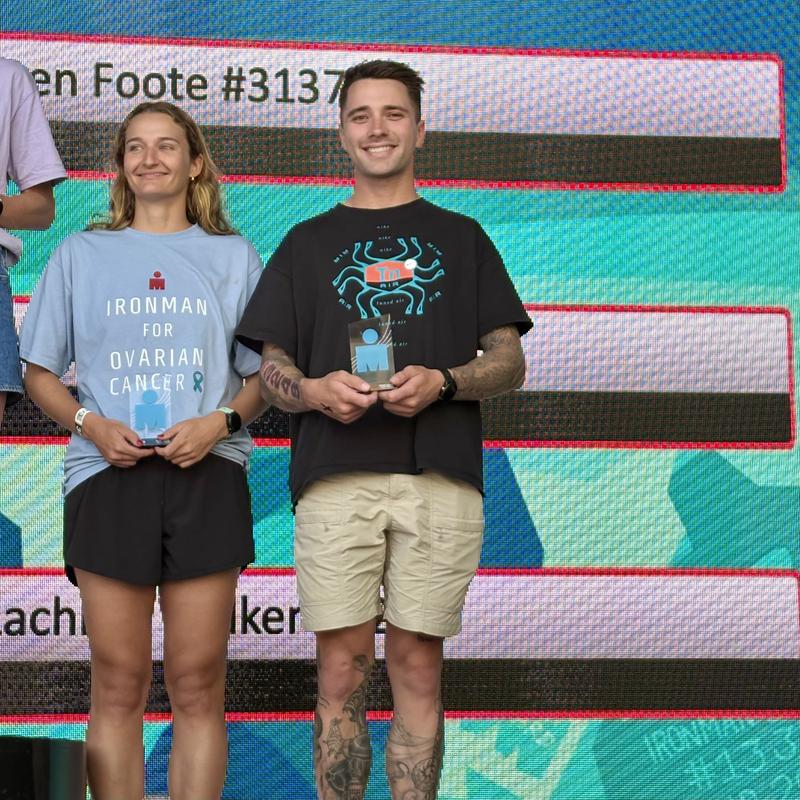
Lachlan delivered an exceptional breakthrough, securing a podium finish in his first-ever Ironman through mature pacing, strong bike execution, and a brilliantly controlled marathon. He also qualified for the Ironman World Championships on debut, something extremely rare at any level. On top of that, he improved his standalone marathon by nearly 5 minutes this year while averaging only 50 km per week, far below the 100+ km he once ran as a pure runner. His development in durability and efficiency has been enormous.

12 Weeks to a 20 Minute Run Personal Best

Rodney Wigglesworth Tap to expand
Rodney Wigglesworth

12 Weeks to a 20 Minute Run Personal Best

Rodney Wigglesworth

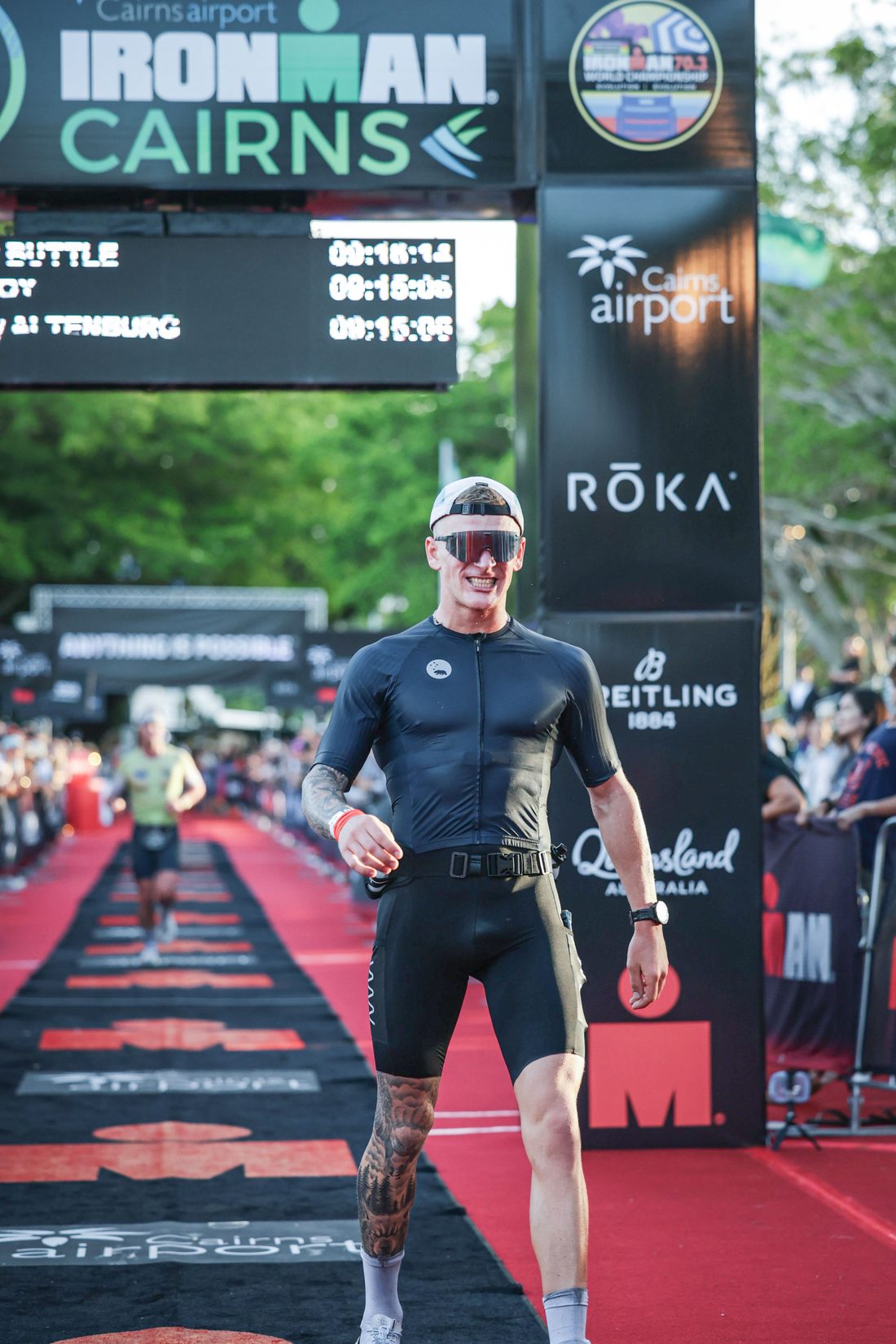
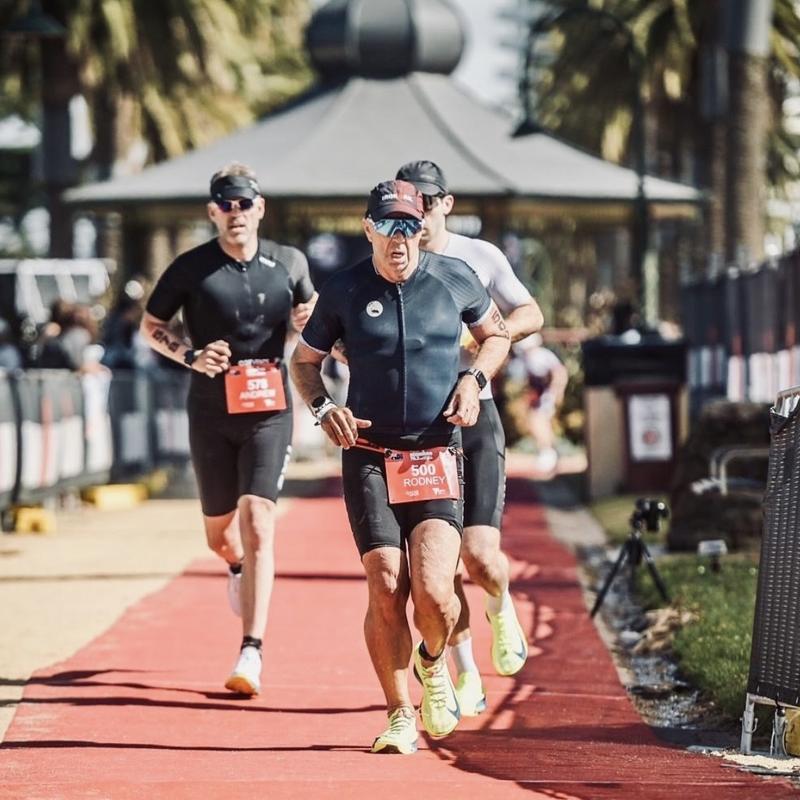
Rodney improved his 70.3 finish time by 12 minutes year-on-year, moving from 6:02 to 5:50. His run split alone improved by almost 20 minutes, dropping from 2:41 to 2:22, showing a huge leap in pacing and durability. He had completely stopped training after his previous Melbourne 70.3 and only restarted structured work 12 weeks before the 2024 race. And with his 2023 swim being significantly shortened, his true full-course improvement is even greater than the headline suggests.

24-Minute 70.3 PB and Top 10 Age Group at West Sydney

Riley Mungovan Tap to expand
Riley Mungovan at West Sydney 70.3

24-Minute 70.3 PB and Top 10 Age Group at West Sydney

Riley Mungovan

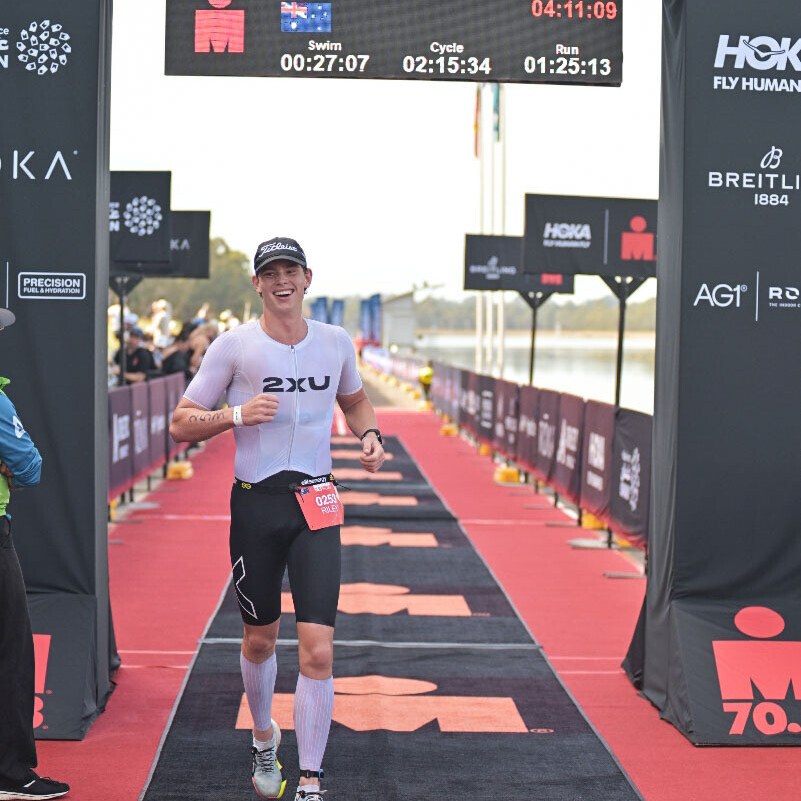
Riley took 24 minutes off his half-iron time at West Sydney 70.3, posting 4:11:08 with a 27:08 swim (1:26/100m), 2:15:35 bike (39.8 km/hr), and a 1:25:12 run (4:02/km). His bike split improved by 6 minutes and his run by a huge 16 minutes, putting him 9th in the M18-24 age group. A clear step up from his Husky breakthrough, and a sign there is still plenty of runway ahead.

Riley Mungovan

Breakthrough Age Group Win in Just 12 Weeks

Riley Mungovan

After just 12 weeks of structured training, Riley won his M15-19 age group at Husky and finished 13th overall with a 2:14:22 Standard Distance performance. A massive early breakthrough and a sign of genuine long-term potential.

From B-Division Winner to State Championship Finalist

Jeremy Laing Tap to expand
Jeremy Laing

From B-Division Winner to State Championship Finalist

Jeremy Laing

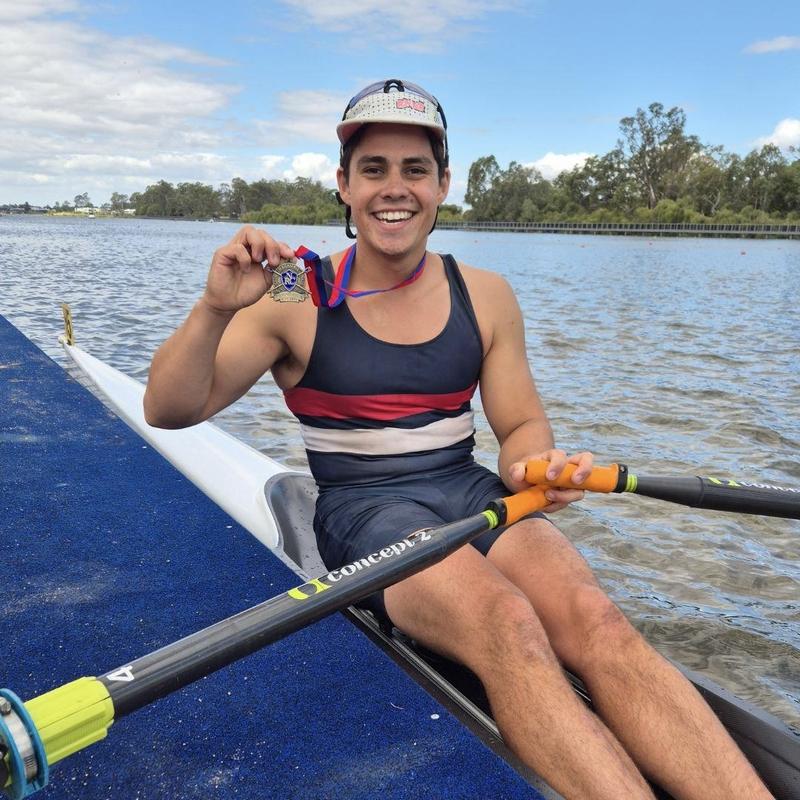
Before coaching, Jeremy was performing well at the club level, winning the B-Division Single Scull at Footscray Regatta and earning Male Champion at Footscray City Rowing Club. After beginning structured training, he stepped decisively into higher-level racing, qualifying for the Victorian State Championship Final in the Lightweight Men's Single, finishing 5th in the state with a 2k time of 7:47.98, and racing the A-Grade Single among some of Victoria's strongest scullers. A clear progression: B-division winner to club champion to state-level athlete to top-5 in Victoria.

1 Year, 40 Minutes Faster

Dylan Case Tap to expand
Dylan Case

1 Year, 40 Minutes Faster

Dylan Case

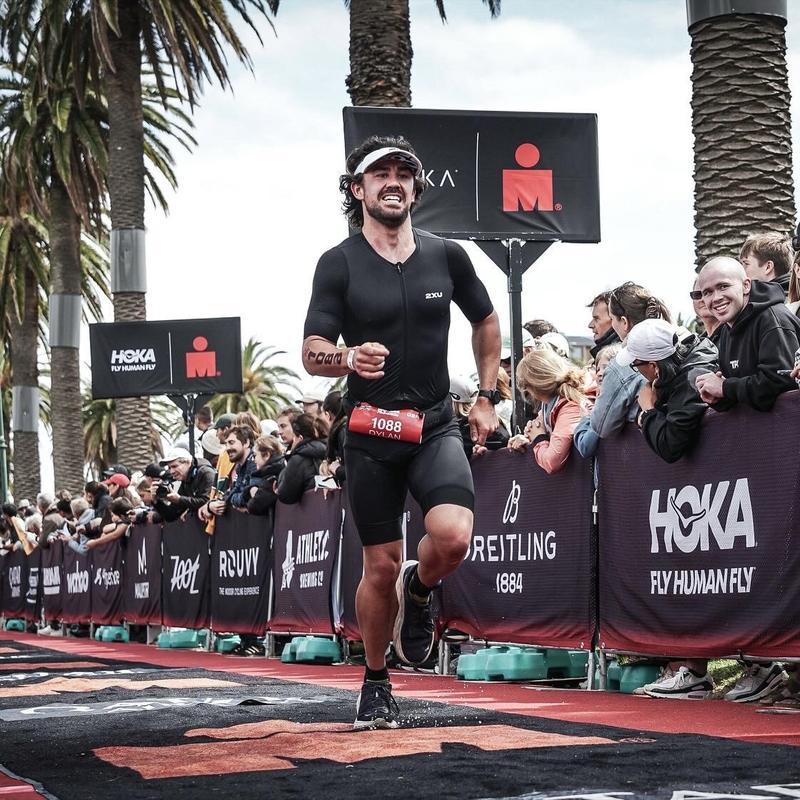
Dylan delivered a major step forward at Melbourne 70.3, taking around 30 minutes off his bike split and about 9 minutes off his run compared to his previous 70.3 performance. The swim can't be compared due to the swim cancellation, but the bike and run gains alone resulted in a standout 4:10 finish, marking a huge lift in speed, strength, and competitiveness.

27 Minute PB, Marathon Domination in 6 Months

Zac Flack Tap to expand
Zac Flack

27 Minute PB, Marathon Domination in 6 Months

Zac Flack

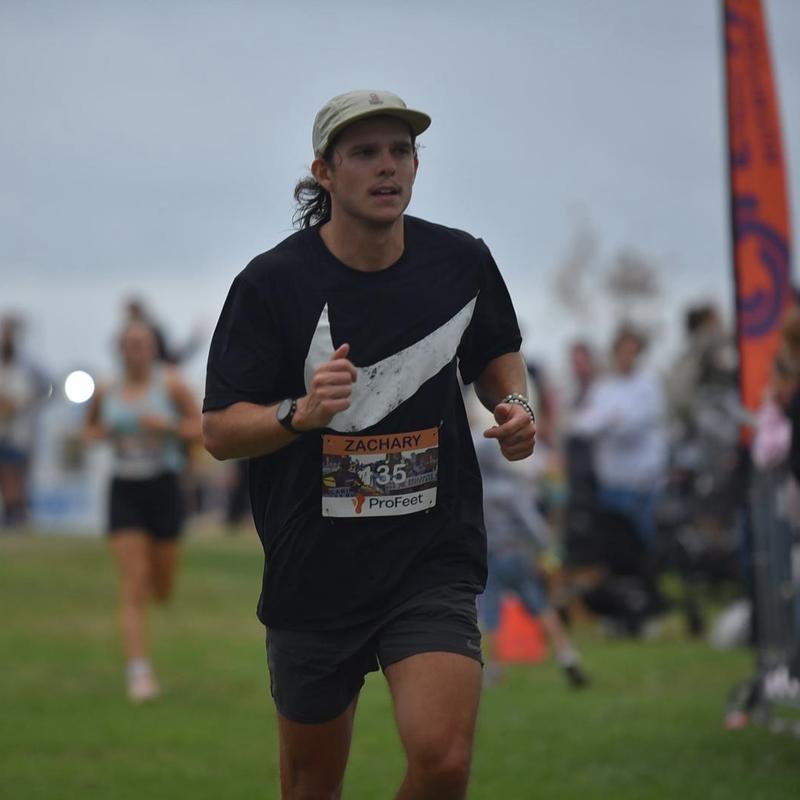
Zac produced a massive breakthrough over the marathon distance, running 4:11 and taking 27 minutes off his previous best in just 6 months. A clear sign of rapid improvements in aerobic capacity, pacing, and overall durability, with plenty more upside still to come.

11 Minute Sprint PB as a Training Session

Zack Farrington Tap to expand
Zack Farrington

11 Minute Sprint PB as a Training Session

Zack Farrington

Zack dropped an 11-minute personal best in a sprint-distance triathlon after just three months of structured training, achieved without a taper and straight out of a normal training week. Zack is one of the most consistent athletes on the roster and is a great example of what can be achieved.

25 Minutes Faster and 53 Age Group Places in 10 Weeks

Craig Hoffmann Tap to expand
Craig Hoffmann

25 Minutes Faster and 53 Age Group Places in 10 Weeks

Craig Hoffmann

Craig came in from pre-written programs, unsure about the value of 1:1 coaching. After just 10 weeks of structured training, he took 25 minutes off his 70.3 time at Geelong, going from 5:12 to 4:47. His bike split dropped from 2:35 to 2:23, nearly 12 minutes faster. His run went from 1:57 to 1:44, nearly 13 minutes faster. He finished 22nd in his age group after placing 75th the year before. One of the most consistent athletes on the roster and a clear example of what focused, individualised coaching can produce in a short timeframe.

15-Minute 70.3 Improvement + Pro Licence in 10 Months

Kyle Tremayne Tap to expand
Kyle Tremayne

15-Minute 70.3 Improvement + Pro Licence in 10 Months

Kyle Tremayne

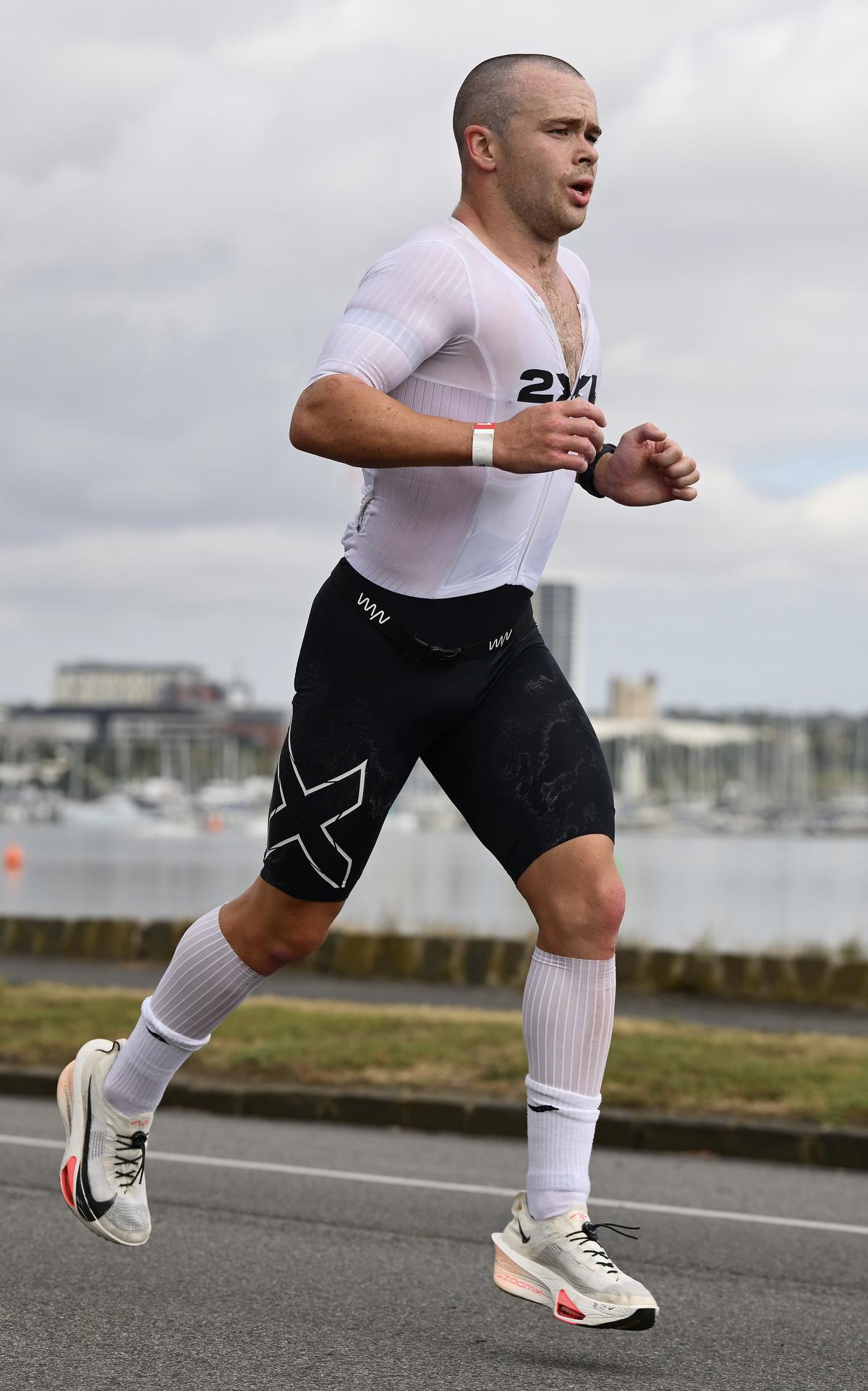
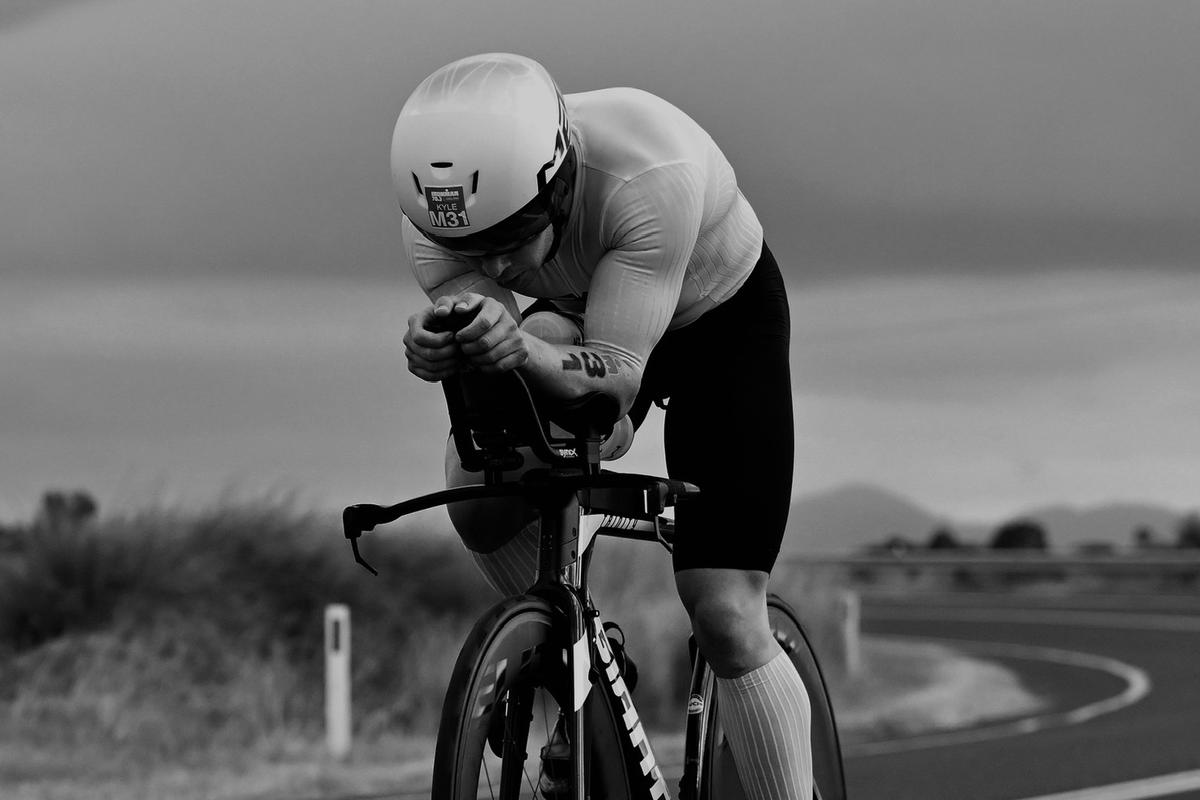
Across a single race season, Kyle cut 15 minutes and 22 seconds from his 70.3 time, including a 7-minute faster bike and 4-minute faster run. He achieved this while self-coaching using the Tremayne Performance Method, earning his professional licence just 10 months after his first race, and after only 2 years of total training. A rapid rise built on discipline, structure, and the same methodology now used across the Tremayne Performance athlete roster.

You Deserve Better
Than a Template.

You have had the generic plan that ignores your schedule. The coach who never looks at your data. The training week copied from a spreadsheet. You have done the work and watched your race results stay the same. The issue was never your ability. Your program was never built around you.

Every athlete here gets a periodised program built from their own performance curve, direct coach access, and a plan that adapts when work, family, or body needs it to. Training fits your life, not the other way around. Personalised triathlon coaching built on your physiology, not a template.

The Tremayne Performance Method

A systematic 6-phase approach that takes you from where you are to where you want to be, with precision at every step.

01

Introduction

Build volume safely, prevent injury, and establish schedule consistency that fits your life.

02

Heart Rate Testing

Establish your individual heart rate values to personalise every single workout from day one.

03

General Preparation

Develop foundational endurance across swim, bike, and run with structured progression.

04

Athlete Profiling

Heart rate normalised power and pace curves built from every session you complete. The whole shape of your engine, not a single number.

05

Specific Development

Fully individualised training with 6–8 week testing blocks to track progress and adapt.

06

Race Preparation

Targeted programming optimised for your key events. Arrive at the start line ready to execute.

Performance Curve Profiling

The full shape of your fitness, built from the work you are already doing.

A single number cannot describe an athlete. An FTP test gives you one wattage. A 5K time trial gives you one pace. Neither tells you how your fitness is shaped or how it holds up under fatigue.

Most programs you have ever followed were not built for you. They were built for someone else in another era, printed in a training book, and applied to anyone who picked it up. Every layer carries error. Zones from a population average. Thresholds from a single test. Distributions from elite-volume athletes applied to working professionals. The assumptions stack until what reaches the athlete bears almost no relationship to their actual physiology.

The performance curve works differently. It starts from the rawest data we have: the actual power you produced, the actual pace you ran, the actual heart rate cost of producing it. Every point on the curve is a real number from a real session. The athlete is the input. The data is the analysis. The program is what falls out the other side.

Every Duration That Matters

Thirty seconds out to several hours. A short surge matters to an Olympic-distance athlete. A three-hour sustainable output matters to an Ironman. One number cannot describe both. The curve does.

Ratios Over Raw Numbers

The information lives in the shape, not in any single point. Whether your 15-minute power sits at 90 percent of your 5-minute power or 70 percent tells us which race you are built for, and exactly what the next block of work needs to develop.

Built From Training, Not From Testing

Every ride and every run updates the curve. Heart rate normalisation strips out the daily noise of heat, fatigue, sleep, and hydration so real physiological change shows up in the numbers instead of being buried by them.

That is what first principles actually look like.

Same FTP, Different Athlete

Same 20-minute power. Same 60-minute power. A single-number test would prescribe identical training for both. The curve tells you they need completely different programs.

Athlete A
1000W 500W 100W 30s 1m 5m 20m 60m 3h FTP test: 280W
720W 30 sec
310W 5 min
280W 20 min
220W 3 hr

Flat curve. Holds nearly 80 percent of FTP at three hours. A long-course engine. Programming here is about growing the whole curve, especially at the durations that actually decide the race.

Athlete B
1000W 500W 100W 30s 1m 5m 20m 60m 3h FTP test: 280W
980W 30 sec
365W 5 min
280W 20 min
170W 3 hr

Steep curve. 3.5x FTP at thirty seconds, but only 60 percent of FTP at three hours. A short-course engine. Programming protects the top end while building sustainable aerobic output underneath it.

Any single-number test treats these two athletes as the same athlete. Every duration where the real coaching decisions get made is completely different. The curve is the only tool that sees it.

Growing the Curve

Real progress is not one number going up. It is the whole curve lifting, with the ratios between durations telling you the shape is right.

500W 250W 100W 30s 1m 5m 20m 60m 3h Week 1 Week 12

Twelve weeks of structured work. No lab. No maximal tests. No lactate meter. Heart rate and power only.

The whole curve lifts. Every duration climbs, and the shape flattens as sub-threshold output grows faster than peak output, because that is where the volume sat. For a long-course athlete this is exactly what a good block is supposed to deliver. Growing the whole curve, not trading one end for the other.

Trading ends of the curve is called pivoting. It is a deliberate late-stage choice during race preparation, not a sign of fitness improvement. Confusing the two is one of the most common self-coaching errors. The curve makes it impossible to mistake pivoting for progress.

Why This Beats a 20-Minute FTP or a 5K Time Trial

Traditional tests give you one number from one day. The curve gives you every number from every day you train.

20-min FTP Test
5K Run Time Trial
TPC Performance Curve
What you learn
One power number
One pace number
Full curve, 30 seconds to several hours
Recovery cost
Days
Days
Zero
Shows durability under fatigue
No
No
Yes
Distinguishes athlete types
No
No
Yes, by curve shape
Affected by a bad day
Heavily
Heavily
Smoothed across many sessions
Risk to training block
Real
Real
None

An FTP test answers one question. The curve answers every question that actually matters for building an individualised program.

Requires a power meter or smart trainer for cycling data and a GPS watch or foot pod for running data. Works with any Garmin, Wahoo, Polar, or Suunto device.

Kyle Tremayne, Head Coach
KT

Kyle Tremayne

Head Coach, Tremayne Performance

I wasn't a gifted athlete. Growing up in Victoria, I chased team sports with nothing to show for it. Then in 2021 I found triathlon, and something clicked. I fell for the physiology, the structure, the idea that you could engineer performance through smarter training. By 2023 I had my professional license. Today I coach triathletes across Australia and the world.

For my first twelve months I trained using generic zones and cookie-cutter programs that weren't built for my physiology. I was doing the work but not getting the results. The moment I learned to individualise my program, to train based on my actual thresholds, everything changed. That principle is the foundation of every program I write. You get direct access to me. We talk, we review, we adjust. I care about the outcome.

7th Ironman Australia 2024
PTO Ranked Athlete
Active Competing Athlete

One Plan. Fully Personalised.

No tiers. No upsells. Every athlete gets the full service.

Tremayne Performance Coaching

$ 80 AUD /week

+ $400 onboarding assessment

+ GST for Australian residents

  • Onboarding call
  • Heart rate testing and individual zone setup
  • Heart rate normalised power and pace curve profiling*
  • Personalised training program across swim, bike and run
  • Structured workouts delivered via TrainingPeaks with device sync
  • Coach access via WhatsApp (Monday to Friday, 10am to 5pm)
  • Weekly check-in calls
  • Weekly data review and plan adjustments
  • 6 to 8 week training blocks with regular testing
  • Race strategy, pacing, and nutrition planning
  • No lock-in contracts. No minimum commitment, cancel any time with one week's notice.

The 12-Week Results Guarantee

Grow your power and pace duration curves in your first 12 weeks, or every week after that is free until they do.*

*Subject to terms and conditions.

*Requires a power meter or smart trainer for cycling and a GPS watch or foot pod for running. The onboarding assessment covers initial program build, onboarding call, and your first performance curve. Non-refundable.

How to Get Started

1

Click Get Started above

Select whether you are Australian or international for GST purposes. This will take you to the payment page.

2

Complete payment

Pay your $400 onboarding assessment now to secure your spot. Weekly billing of $80 begins on your program start date, with no minimum commitment.

3

Check your email

Your onboarding email includes a welcome video, onboarding form, booking link for your onboarding call, and my WhatsApp number. Check spam if needed.

4

Access onboarding content

In the days following, you will be given access to further Tremayne Performance onboarding and educational content.

Ready to Train With Purpose?

Stop guessing. Start progressing. Get in touch and let's build your personalised triathlon training programme.